What Is Preventive Care — And Why Does It Matter More Than You Think?
Most people think of preventive care as getting your flu shot and having an annual physical. And while those things are part of it, a thoughtful preventive care strategy goes much deeper — and the payoff is substantial.
The goal of preventive care is straightforward: identify and address risks before they become problems. This means preventing diseases from developing in the first place, catching them early when they're most treatable, and managing existing conditions closely enough to prevent serious complications.
Primary, Secondary, and Tertiary Prevention
Primary prevention is stopping a disease before it starts. Vaccines are the clearest example. Lifestyle interventions like diet, exercise, and not smoking are also primary prevention. So is prescribing a blood pressure medication before a patient has a heart attack.
Secondary prevention is catching a disease early, before symptoms develop. This is the domain of screening tests — colonoscopies, mammograms, blood glucose checks, cholesterol panels, and more. The earlier a condition is found, the more treatment options are available and the better the outcomes tend to be.
Tertiary prevention is preventing complications in someone who already has a disease. If a patient has type 2 diabetes, careful management of blood sugar, blood pressure, and kidney function helps prevent blindness, amputation, dialysis, and cardiovascular events. This is active, ongoing work — not just filling prescriptions.
Preventive Care Is Personal
One of the most important things to understand about preventive care is that it isn't one-size-fits-all. Your age, sex, family history, lifestyle, and existing health conditions all shape which screenings, vaccines, and interventions are right for you. A 45-year-old woman with a family history of breast cancer needs a different preventive plan than a 60-year-old man who smokes. Personalized preventive care means understanding the whole person — not just checking boxes.
This is one of the reasons I went into concierge medicine. In a traditional primary care practice, a physician might see 25 patients a day, each for 15 minutes. There simply isn't enough time to build the kind of relationship that allows for truly personalized preventive planning. In a concierge practice, I have the time and the smaller patient panel to know my patients deeply — their risk factors, their family history, their habits, their goals — and to be proactive about their health in ways that make a real difference.
Preventive Care and the MDVIP Wellness Program
As an MDVIP-affiliated physician, I offer my patients access to a comprehensive annual wellness evaluation that goes well beyond what traditional practices provide. This includes advanced cardiovascular risk assessments, body composition analysis, fitness testing, and a personalized wellness plan. Early detection of cardiovascular risk, metabolic dysfunction, and other issues — before they progress — is the foundation of the MDVIP model.
Vaccines: Still Essential
Vaccines are one of the most powerful and underutilized tools in adult preventive care. Beyond the annual flu shot, adults should be current on: COVID-19 vaccine (updated formulation recommended annually), Tdap or Td (booster every 10 years), Shingles vaccine (Shingrix) — strongly recommended for adults 50+, Pneumococcal vaccine — for adults 65+, and RSV vaccine — for adults 60+. Many adults are behind on vaccines without realizing it.
Small Investments, Large Returns
Preventive care is, in many ways, the most efficient investment you can make in your long-term health. Catching a colorectal polyp before it becomes cancer is far less costly — in every sense — than treating stage IV colorectal cancer. Managing blood pressure with lifestyle changes and medication today is far better than surviving a stroke. The data on this is clear: preventive care works.
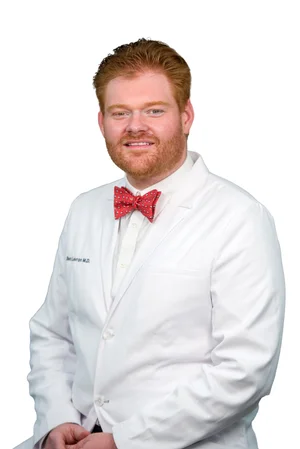
Dr. Ben Levron is a board-certified family medicine physician at Capital Concierge Medicine in Baton Rouge, Louisiana. His concierge practice prioritizes personalized, proactive care for every patient.